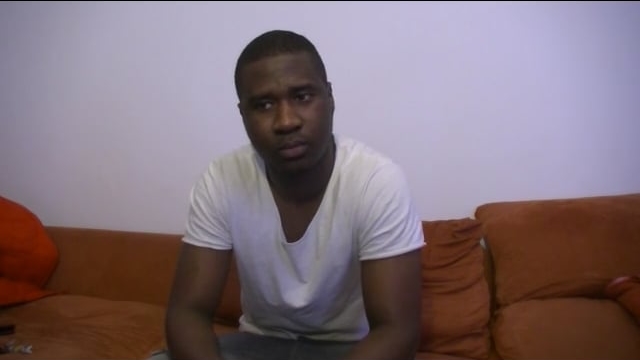
Country of origin: guinea
Year of settlement: 2010
Age on arrival: 17
City: bochum
Gender: male
Language of the interview: German
[i] Yes, ladies and gentlemen, welcome to our project Specially Unknown. Today we are a guest at [Name] from Conakry and we are here in Bochum. You can tell us the district. Mr. [Name], thank you for inviting us or approved our proposal and now Want to communicate their life story. I am a field worker and have the task to interview the ten people from Guinea or to accompany their life story. And we thank you very much. And yes, if you introduce yourself briefly and then we start.
[r] So, hello first. My Name is [name] from Guinea. I was born in Conakry and I am 25 years old.
[i] Okay, yes exactly I see, you are in the middle of life, 25 years old. They come from somewhere and maybe we will try a decline or maybe a look back at their history, Your memories. Young people as their child, youth, what they have experienced in general. Where should what to start?
[r] So, of course I have in Conakry lived in Dar es Salaam. These were the fathers where I lived where I was born. And then I lived with my family. And I have two brothers. And we actually lived together, back then. One means [name] and the other is called [name]. Yes, they are … mine The two are small brother. I am the oldest. I also had a bigger one Brother, but he didn’t survive. He died. And then we are only three, as I said.
[i] Okay. You tell about Her brother who no longer lives.
[r] So, I…
[i] Got it there Memories of him?
[r] No, no, no. I never knew him. My mother actually told me about him. Because after he was born, I think he only lived for two or three weeks, I think. And then he died. Yes…
[i] Yes…
[r] And um… I also attended school in Guinea. And I was schooled at four, even. I was four years old when I went to school. And then I went to school. It was very nice. I had friends. Although… Actually, I never did school. Like I said, it wasn’t my thing. But my father always said, you have to do school. You have to go to school if you want me to help you. If you want me to fulfill your wish. Then you have to Go to school. I just actually had a dream. Since I was twelve years old, I think I always wanted to be an electrician. That was always my dream. A job or something similar. Then I always wanted to be one, an electrician.
[i] And why electrician? Was there someone who practiced this profession? Or something?
[r] It had in our … in Dar es Salaam, where I lived, we had a neighbor. Whenever our neighborhood was there when things … this current is broken. And they always call him. And then he gets there and tries to repair it. And he always said when I told him that I would do that at some point. And then he takes … he always takes it with me. He says, okay, come, brother, Then you can help me. It always helped me to wear. And he showed me a few tricks how to build a lamp or change a pear. A few little things. Of course I was not allowed to touch electricity. Or if the … what is that called again? If…
[i] If the Contacts is, isn’t it? Exactly, I wasn’t allowed to do everything, as I said. Yes, and since then I have said Wow, that’s really a great job. And I would like to do that at some point. Yes. And… That’s how it came. My dad said dad, frankly, I want me to help me somehow. Whether an idea or Possibilities. I would like to be an electrician. I don’t want to go on school. And then he always said No matter what you want to do, you always have to finish school, first. That was always … He said that this is his dream. Then I said, okay, But it’s not my dream. I want to experience my dream, not yours. But you know, with us in Africa, it’s different. You can’t …
[i] contradict.
[r] exactly, contradict. If you say something Of course it has to obey it. That’s the way … that’s how we learned it. That’s how we did … so they somehow taught us. If you, when the parents talk, usually, you can’t even see them. You can’t look them in the eye.
[i] Look at them, I mean.
[r] Look at it, exactly.
[i] And how else is that interpreted?
[r] Yes, when you say that, you think… They say when I talk to you, you can’t look at me.
[i] Interpretation towards more cheek, right?
[r] Completely normal. You either have to look here, because they always say when you do that… I know… until now I still don’t know why or why you can’t do that. I think it’s kind of… Disrespectful when you look at your parents. If they… if they say something, or if they try to yell at you somehow, or something like that. No, you’re not allowed to look at them. You always have to stay calm until they’re done. What they have to say… If they’ve said everything, then… Can you either apologize, or do you do what they published. But actually you have to… As long as they’re talking… Then you always have to listen and do nothing. Nothing at all. Except when asked. Yes. And then… Yes.
[i] We are with the boys, who wants to become an electrician. With the parents. Your father.
[r] Of course my mother wanted to too… She said that’s cool too. I think that’s cool. My son had said. He always said… Of course it’s cool if you… If you do that. But you always have to do this together with the school. Because… But… I didn’t really want to go to school.
[i] Is there a discussion, a conversation about it?
[r] Not really. It’s not because… I see that in the eyes of my father. Of course I was afraid of him too. I was afraid of my father. I was afraid of my uncle. My father’s little brother. That made me even more afraid. Because he’s really different from my father. All my brothers. Or the neighbors. The neighbors’ children. Everyone was afraid of my uncle. Because he doesn’t talk… He doesn’t say two words once. He only talks… He only says something once. And if you heard or nothing. He doesn’t care about that. You have to do what you heard. Or what he said. It’s just complicated. My uncle is too Died in 2004. That was a car accident. A suicide.
[i] I’m sorry, condolences.
[r] The first time I saw him. In this car. Burned. Completely. This picture is still in my… I see this almost every day. It was really hard. He just had a little discussion with my father. That was at three o’clock. Night. Three o’clock. Night. Or in the morning. That was… three weeks. Three in the morning. Yes, three in the morning. That was that. They have no idea what they talked about. But he always has his Wife beaten back then. And that has mine Father hurt a lot. And he always said you can’t hit your wife. And somehow they have little things. And then he immediately went into his car. And somehow has gasoline about his car and inside. Completely. And then somehow with the lighter. Bumm. It was really hard.
[i] Suicide.
[r] Suicide, yes. That was in 2004. I believe. Yes, 2004. That really has the whole family … because they said we are on people … Our neighbors started saying these rumors that we are somehow a terrible family. That our family is somehow cursed. It’s just disaster.
[i] How did you as a teenager to your age … how did you find out? There were friends, the same age or older, who have opened one openly about it?
[r] Who? A friend of mine Uncle, do you mean?
[i] after taking his own life. Whether the neighbors who have just told about it everywhere. Were there still talks on the street that had been addressed to you or you about it?
[r] a couple, yes. But the worst thing that she … What I so much hurt very much, that is that the… I don’t know, a few People took photos. From that… This corpse even from my uncle. They took photos and started selling it. And that was bad for me. When I saw that. Outside. That people… earn a lot of money. And that was really… Catastrophic. Of course, I couldn’t help it. I can’t sue anyone. We don’t have anything like that with us. homeland. But… Until now… I still have these memory in my head.
[i] About that?
[r] No, I don’t dream about it. But sometimes it comes when I’m alone. And when I sometimes… Listen to music and… Homeland think. Of course this memory comes. Again and again.
[i] Were you able to process that?
[r] It’s so much better now. It’s been so long. It is now… It’s like before. It is… quite okay now.
[i] Talked about her uncle. About… your father. How was the relationship?
[r] The relationship was very cool. My dad, he loved me. My mother. And… Yes… I don’t know how… That is… My mother just told me a little bit about his childhood. She said she became so… When I was 14, I think… is she married. Very young. I said, wow, mom. That’s really young. You were really young. She said, yes. She was 14. And she… they forced. She didn’t even know about her wedding. She said she came from school. And she… She came… home. And… your mom. My grandma. Your mom. And a lot of… there were a lot of people cooking at home. And they’re preparing all this wedding stuff there. But she didn’t know anything about it. And then… has her… I think brother said that today is their wedding. She didn’t believe. She was like, wow. How can you… But back then, that’s normal. That’s normal back then.
[i] That’s common.
[r] Exactly. I don’t know if that’s one Culture is or… I don’t know. She meant she was 14 when she married. And then I said, but that wasn’t through love. Or… I meant, yes. That’s how it always is. They always say that Love comes later. It’s a wedding. And then at some point love comes.
[i] Yes, such a fate. And that’s just how it is.
[r] Maybe. I know… It’s just… Yes.
[i] Okay. And your father? What does he have about it… Did he say anything?
[r] My dad doesn’t talk that much.
[i] Okay.
[r] He really doesn’t talk that much. He’s not… He’s not evil, that’s not him. But he just doesn’t talk that much. He’s always someone who… Hm… How am I supposed to explain that? Hm… So… Of course he has his job. But… He is a truck driver. He even used to have a truck, this tanker, he even had one. Then he once had an accident with one of the cars and trucks. He had his neck, no Guess he had an accident, but he had a really bad injury in his neck. He can’t turn left and right, not that far. He always has neck pain too, always. And back. For the Nobody died of happiness. But sometimes when he’s home he just goes into his room and sometimes turns on his TV. He’ll stay there the whole time until tomorrow. He doesn’t go out for just a few days, sometimes on Sundays. Of course it’s work, nobody goes to work. It’s like a weekend. Sunday is always a quiet day. Of course he comes sometimes, sits outside with his children and they talk a bit. Not that much, but it was nice to talk to him and ask how our week was. But he works too much. He leaves at eight tomorrow and comes back home very late. Yes.
[i] But on the weekend?
[r] He is always at home on weekends, on Sundays. Yes.
[i] Did he do anything with you then?
[r] I can’t remember.
[i] That is, It was more educational…
[r] The problem is with us in our home country, we are afraid of our parents. Since we can remember. We had Fear of them, we respect them. When we see older people trying to do something, work. If we see that, then we have to help them. We can’t let them do it alone. We have to go there and help, get involved.
[i] We have to offer this.
[r] Exactly. Then we say, sorry, we can’t say they’re old like that. We’re just saying, I’m happy to help. Then we can say, okay, Either let them do what they say, or we can either do it on our own. Yes.
[i] You offer help.
[r] Exactly.
[i] Yes.
[r] Yes.
[i] And her mother? What job did she do?
[r] The mother has…
[i] Housewife?
[r] She doesn’t have a job. She only had school. And when she got married, she couldn’t continue school. That’s why she couldn’t, she didn’t have a job. She was just at home, a housewife. Yes. But sometimes she also sold something, like a dealer. She bought and sold.
[i] Yes it did. She has. So with education, housework.
[i] Yes, exactly.
[i] Did she also contribute a living to the maintenance?
[r] A few times. Not always. Not always. Because my father, of course, took care of the family. He was there, he is leaving, whoever works brings in money. And everything actually at home. That’s his job. But he didn’t want my mom to do anything. He just wanted my mom to stays home and takes care of the children. Yes.
[i] And how would you do yours Describe childhood? Nice?
[r] Of course it was nice. I had friends School, neighbors. I had it almost everywhere Friends, actually. No matter where I go. My uncle always told me No matter where you go, you always have to be open to people. If you know how to do it all, then you can deal with any person. Of course, there are other people the very… which are not easy. They are very difficult. It’s not that easy to be friends with them or to do something together with them. It is not easy. But if you know what it’s like or how to do it, then you can deal with almost anyone. And I did that too. It doesn’t turn sour so quickly or…
[i] Is this this tolerance?
[r] Exactly, I tolerate that much too. Because sometimes when I’m talking or having a conversation with someone and I’m trying to doing something wrong, or there are others People get angry more quickly or become aggressive so quickly or something like that. With those… Sometimes, if I want to, of course I can do it with people like that… What is the word? With people like that…
[i] The tension simply. The entertainment or the location is almost relaxing.
[r] Exactly. Because that’s how it works… Sometimes two people… For example… There are others who become so quickly… When we start talking… I’ll tell you something and if you don’t like it… Of course there’s a way you try To explain this to me so that I understand it, so that I can never tell you this again. But others, they immediately do a 180 and then they get up and try to… Just saying weird things. But if… People like that… For example, when I talk to people like that… And they get angry or aggressive so quickly… Then I can’t take part. I try to stay calm. If you’re aggressive and I’m aggressive too… We can talk louder, no one can… You can’t understand me, I won’t understand you either. Because each of us is loud. That’s what my uncle said. People are always looking for yours to control anger.
[i] You talk about your uncle very often. Does that mean there was also a lot of communication?
[r] exactly. I was afraid of him, of course. But I had a lot Communication with him. Because if he sometimes after work … Then he comes at home and says Come on, we have to have a little tutoring. And I even hate that worst, a tutoring with him. He had things like that … If he teaches me something, when I forget that, then he beats me. It beats me so much, very hard, So that I never forget that again. But if we don’t do tutoring, sometimes we talk. Or we play. And there, on a nice time, he said Life is like that, you have to do it that way. This is not easy This is so, you are a man. And then he has a few things to tell how later when I am grown up or when I’m big. What … I was expected for the future, as I said, back then.
[i] That means he was strict. Sometimes also violent with a species. Then he hit you.
[r] Yes.
[i] But at the same time there was also other what he gave them. More the warmth. Ribs and, and, and. Or how did all of this arrive?
[r] exactly. Because, that’s … There are days when it was very, very … I never understood why he sometimes beats the children so much. I still haven’t understood that until now. Because, I always thought, maybe If he has so stressful from work. Or from that Has stress to work. This anger. Comes home. Take this anger home. Then he comes when he sees the children, then he says immediately, come, bring your book again. Let a couple Do homework. If you don’t … If you do wrong, he will do it … His whole anger tries to let go of you. So was my imagination or my philosophy back then. But I don’t know if this is right or wrong.
[i] perceived. Perceived.
[r] exactly. But there is too Days, there was really … Is nice. They come from work. They buy, of course Chocolates, for example. Or milkshake, for example. They bring for the children. And they give us money. I say come, buy something. And then … You have to decide what you can do. These days are also available. I can’t say … that’s … One should say there are days that are good. And there are days that are not that good either. Because… Yes… That was nice.
[i] That means that he has taken on many tasks for you. Educational tasks. Learning.
[r] exactly.
[i] and this Task taken over.
[r] exactly. Because we also called him father. This is how we always called it. So dad. We always said dad. Because… We had ours Father, right. The little brother of us. We also called our father.
[i] That means he could immediately …
[r] … take over from the father.
[i] … take over from the father.
[r] Yes.
[i] Okay. Yes. Yes. And if you compare now, are you missing it? If he falls…
[r] Yes. Yes, yes. Yes. He is also part of the family. But he no longer exists in this world.
[i] That is, despite this Violence, what he did there is more like that Motto, he doesn’t make me? Or is he more… No, you have to understand that. Because there wasn’t enough communication to be able to resolve the conversation. But only with this type of It was felt that way. Or afterwards you said, no, that’s really him. Don’t want to defend myself.
[r] That’s how I always understood it. I thought the…
[i] Back then?
[r] He liked us.
[i] Or still?
[r] I really don’t know. I still don’t know. But I always used to see it that way. No, he doesn’t love us. Because he beats me, he hits my brother. He beats mine Brother, both of them actually. And I just remember one day he said that I should buy cigarettes for him. He told me the name of these cigarettes. But I didn’t understand that correctly. But you can’t ask again. Because if he says once, if you say that you didn’t understand, he will beat you. If he says once, For example, buy me Coke. And if you haven’t heard of Coke, just buy it. You can’t ask again. You just have to go and buy and come back. He said I should buy cigarettes. I just forgot what kind of cigarettes. I wasn’t allowed to say either that I haven’t heard anything. I wasn’t allowed to do that either because I was afraid. And I now had two either. The question is, do I get these hits… or I buy something wrong, then I come back, then I get these beatings again. Either … or. One of the two. But I had Afraid to ask. Then I went and bought something. But that wasn’t the right thing. I came back. I said, Uncle, here. And he said, come here. And then I knew immediately that this was the wrong thing. And then he immediately hit me like that. Once, ugh, ugh. My mom sat next to me. And she cried. Because that hurt you so much.
[i] She couldn’t interfere with you? She couldn’t intervene?
[r] No, no, no. She couldn’t do that. She wasn’t allowed to do that either. He always says when he tries to get involved, my uncle immediately says, they are my children. And they have to do what I want. Then… Yes. My mom cried. She only said it once. She said, no. This is not good. What you do. She said I don’t give a shit. They are my children. you have to listen, when I say something.
[i] Yes. To what extent does religion have a Role played in education?
[r] The religion… Of course we were allowed… we even had to pray. Five times a day. And my mom always says, on Friday, we all had to go to the mosque together.
[i] Toche?
[r] Yes. We had to there.
[i] Was that fun?
[r] Yes, it was nice.
[i] What was beautiful? To say the people, everyone has some kind of clothes on. And we all had to be together. A lot of people even meet there. If you haven’t seen someone for a week, sometimes you’ll see them there too.
[i] And… Maybe a memory? Childhood memory? Can you tell us something about that?
[r] A childhood memory… Actually… a few, slightly larger tones.
[i] But they are also friends. Is it better like a thing or something you had as a child?
[r] I don’t know. It’s actually… I miss playing football with my friends back then. It was very, very beautiful. We also have this one Played a game of hide and seek. And then… outside behind ours At home we sat there. We make tea. We’re talking about Europe for example. Or sometimes we talk about politics. Although I’m not in I’m interested in politics. But for others, of course, it’s about football or about politics or about Europe or about America, for example. Everyone starts with a topic. And then we discuss it. Let’s talk almost all day. Sit. And I miss that.
[i] You’re talking about football. Was there or is there a club?
[r] It… The people who… The people who talk about football. Because I never played football. Of course I think it’s good if mine Friends say you’re really crazy. The only guy who doesn’t like football. At that time I was only interested in dance. I just wanted to… either dance as a hobby.
[i] What kind of dance?
[r] Just hip hop. Yes and… Yes, exactly. Hip hop. I wanted dance.
[i] In your free time. So you talked about football.
[r] I have a little… We played football, but… Look or …
[i] You are not interested.
[r] exactly. I only play so that … Because my friends play. Just to look. Is of course boring. Then I played along. Only so that it doesn’t … sit alone.
[i] Yes. So in your free time … Sing maybe? I also sang once. I even had a song. But home country. But only among friends. Not like a pop star or … Miscellaneous. No.
[i] Yes. And… Your place of residence … Dar es salaam, they said yes.
[r] exactly.
[i] How was it, the place?
[r] We lived in a house. That belonged to my father. He built that. To us at home. It was very nice. I had my own room. It was really perfect.
[i] And the neighbors?
[r] Please?
[i] the neighbors?
[r] So … we had … Good neighbors. Of course also evil neighbors. Yes. We had so … Compared to our home … Is there a … Some neighbors. As I said. But that’s a military. It’s in the army. The type. That means … Monsieur [name]. Is his name. And … the … they have … someday one Conflict … against … they have … He has with mine Family argued. Because my cousin … was with his daughter. And that hurt him so much. That the my uncle … uh … my cousin … arrested. Kidnapped. And arrested. And he has him … locked up. We searched for him everywhere. Almost a year. Nobody knew where he was. And when we noticed … that the … kidnapped my cousin … And… locked up. My dad was looking for him everywhere. And when he … my dad … found out … where the … Where my cousin … is. And then … the … uh … this … What is it called again … The … Mister … Monsieur [name].
[i] the soldier.
[r] exactly. The soldier … has him again … uh … relocated. Has taken away … He has him back to others … uh… Prison … again. Whenever … we … Know where it is … Then he brings him away. I believe… For almost three years … he has my family … Really … let piss. My dad was so concerned because that’s the … the boy from mine … Uh … the … Is my cousin … Of course … but father side. Since … uh …
[i] from an aunt?
[r] an aunt, exactly. Small sister … From my … dad. Yes … and at some point … when I mean Have seen brother … because … the … They gave him nothing … almost … almost nothing. It was so thin. That was … so finished … from … and … only because of … his daughter … And because the more Has … as … When my … as … let’s say as my family. It’s rich … it has gold … he has … Yes … the … He has a … a … big post even … in the … This … in the army where he works. And luckily my dad did … I don’t know how … that … mean Bring out brother.
[i] Your cousin …
[r] Ah yes my cousin. Yes… and these people say it’s natural, they’re so evil… evil… Neighbors.
[i] Conakry is a cosmopolitan… There are several stems, there are Fula, Malenka, Susu, Gerse and…
[r] There are many dialects.
[i] In the neighborhood… do you have there…
[r] No, no, no… we only had it where I lived… There is actually only Fula. Only the Fula ethnic group lives there. And Malenka. Yes, Malenka too, a few people live there too. My mother is also from Mali, she told me, her ancestors. Mali Bamako. The Ethnic group is Malenka.
[i] Do Malenka also speak?
[r] I don’t speak the language at all, she didn’t teach me that. Only Fula came.
[i] Does that mean they also have cousins, relatives?
[r] Yes, yes, yes. Of course my mom also has brothers and sisters. Of course she also has siblings, yes.
[i] Were there any contacts, many or few?
[r] Please?
[i] Was there contact there?
[r] Yes, they all live in Conakry. Everyone lives in Conakry. Almost all, Yes. And others live in Mamou.
[i] Mamou is inland?
[r] Yes, exactly.
[i] And from the neighborhood, The role existed, you talked about Mr. [name], the soldier. Were there other things too? With the neighbors, right?
[r] From, do you mean from Mr. [name]?
[i] Dar es Salaam, where they grew up. You have a neighbor here, sir [name], who is or was a soldier. Yes, there were others besides him?
[r] No, that, that, exactly. And then, we also have an incident. Then, behind where our house is, we also have other neighbors there. And I remember, I was very young. And my mother Friend, I think she was sick. You, but I didn’t know that, that she had this disease. Once upon a time, we played with my friends. And then, his mother sat there, but she didn’t see me coming. And my buddy was sitting right next to his mom. I came, then somehow I somehow, frightened. And the mother was so, somehow, She was very nervous. And she immediately She was afraid. She immediately has one Stone taken. She threw me immediately. On my knee. Then she hurt me. This injury is of course still here, this scar. But is still here. It was almost three At home for months. I couldn’t walk. But I was young, yes. And then this There were also problems Between my mom and this Lady, you always argued.
[i] the tension.
[r] exactly. She told me if she wanted to kill me. Yes.
[i] Okay. Also, I mean in that Place where you have lived Or have lived, there were other places. Or in this place where you say, okay when I’m there I feel comfortable there, it’s nice.
[r] That was only at home.
[i] Was it nice at home?
[r] Only at home. I always feel good, sure. Next to my mom and my dad. I always lived there. My dad even didn’t want us to go somewhere. To spend the night or something. He didn’t want that. We are only at home.
[i] And how did you see society? For you? How is that?
[r] The Society of …
[i] Society, there, The people who fellow human beings. Good. How were they?
[r] All. Perfect, actually. Everything was really great.
[i] the family?
[r] Family, neighbors. Friends, acquaintances. It’s all OK.
[i] and from society? From the government? Was there peace?
[r] There were always conflicts. There were always problems with the government. Whenever we have a … There were always this Demonstrations in Guinea. Almost every day. When it comes to politics. Because we have no electricity. No water. We always had to do 20 liters. Or sometimes 40 even. We had to walk far away to get water. For our mothers. So that you have water at home. No electricity. It was of course necessary. Because people, when it all is not. Some will be angry. And they run across the street. And then they say, okay people. We will demonstrate. Then of course we have to take to the street. No more cars drive there. And then … And they lock the street. And then … Just … make shit.
[i] That means that do the youngsters?
[r] exactly.
[i] The adults? Or how is that?
[r] Actually just those Young people do that. The adults who People who are married. Some, yes. Not all. Of course the older people stay at home. And we go out. We’re closing the street. And then we do everything somehow… We burn the tires. And then we lock everything up. And here we are. Then we say, okay. Either there has to be one Bring change to our country. And then come the military. Either they shoot people. Kill. Like cockroaches. It’s… Nobody cares. When people demonstrate. This demo. If something goes wrong then…
[i] Now see that Military shooting at people. Did you see that?
[r] Often that…
[i] Or…
[r] I was there. Actually… Whenever… When we… Demonstrating, I’m almost always there. I will always go. Okay, of course I get it Brawl when I get back. From my dad. But I was always there. I think that was 2007. Seven or nine. Even a boy. We just wanted to demonstrate. Towards the city center. But there were a lot of politicians there. Even a lot of them. And many civilians. The protesters. We just wanted a change. To show that this is our home. Of course we had to do something. We are not politicians. The politicians who People sitting there only care about their families. And we are here for nothing. Nothing at all. But they shoot people. And I was with a boy. He was… I believe… Twelve or nine. From nine to twelve years old. Was the boy.
[i] A child?
[r] A child even. And they shot him. Point. Immediately reversed. Dead instantly. When I saw that. One of my friends said, Come on, let’s just go back. I said, no. I can’t do that. I said, look what they’re doing. I don’t know why I wasn’t scared. I just wanted to move on. Many of us just wanted to move on. Just keep going. I said no more going back. But luckily, whenever I’m there, nothing has. .. I always come home healthy.
[i] And this one A young person or child who has just… who was shot, did you know this young person?
[r] I didn’t know him. We just met there. Because there were a lot of people. Different districts. Or… Exactly. And there were many different people. Women, children… Men… even older people.
[i] And the school? How was that?
[r] The school was nice. At the beginning. It was very nice. I had friends there too.
[i] And from the system, How should I imagine that? Are you comparing Germany?
[r] The school there and the school here?
[i] Yes. When does this start? Hear that? Was there also afternoon school?
[r] Yes.
[i] Exactly.
[r] Yes. Actually it’s from seven o’clock… at seven o’clock… until twelve o’clock… Midday. And then we drive home. And then we’ll come back at two o’clock. In the afternoon. Until sixteen. Or sometimes at eighteen. And then we drive home. And then we have to do the same the next day.
[i] That is, they have a school. There was also next to that School something else that they had to learn?
[r] Yes, exactly. That was this Koran school.
[i] Okay.
[r] after school. But that was in the evening. Of course we had to … go back to the Koran school. And try the Koran … We even had to that … in our … religion … You have to know What is in the Koran. So that you … For example, when we pray, for example. Or if you are in Are difficult. What you … can say so that it gets a little easier. Because you always say God is everywhere. It’s always with … he doesn’t care where. And we learn that there. To know how the world exists. How the world works. Or if we … later die. What awaits us. Something like that. And it was nice too.
[i] Yes. And… Nice. And then? Yes. How did it? Yes. What came … or what happened? You say, okay … I have to go here. Or … how did it come?
[r] As I said it … So … I always wanted to go to Europe. Very long. I always wanted to get away from home. Just away from my family. See the world. Knowing what … I wanted … I was just curious. I just wanted to see what …
[i] Outside Guinea?
[r] exactly. Exactly. But it had … Of course is a dream country. Earlier. To Canada. I always wanted. So when I was small. I always wanted … I always thought At some point I will fly to Canada. And at some point I even had the chance to fly there. But my father didn’t want that. He said no. I can’t send you Where you don’t know anyone. Or where you don’t have. You have no family. Yes, dad. At some point I’ll grow up. And when I’m grown up Then I can go anywhere. No matter if you want that or not. Of course I have to do new ones Get to know people. But I didn’t want to. And then at some point I thought Papa, I can’t stay with you anymore. I just have to go. I have to … I have to new Gain experience. I need to… Except… Guinea. Except Africa. Outside Africa. Go away.
[i] I’m just asking myself … How does it come … Yes, good at home, Childhood, family, everything is good. And that you just do this Has to simply go away. Were there other factors? Actually not. I wanted … Actually, the reason is that I left the country. Was that I … wanted to realize my dream. Electrician. I just wanted to be a real electrician. And I can only do that when I either fly to Europe or America … Because there you can … There is everything. There is school. And there is … There is everything. And with us it is only practice. You don’t go to school to learn such professions. Then I have mine Papa tells that. And of course he determined my dream.
[i] That means … What hope have they just told? And… Your father gave you the Decision also helped?
[r] Yes. He just wanted me to … What my father wanted is only school. That was always. Until I left the country. Boy, you have to Continue school. He wanted me to have an office job somehow. So. Sitting in front of the computer at some point. By simply… We have phone here. Simply make appointments and such. But he didn’t want that.
[i] That means they always wanted to become an electrician. So that was her dream job. To what extent were they fulfilled? Or not fulfilled?
[r] Whether my dream is already fulfilled?
[i] Yes, the dream To become an electrician. Of course I have the training when I came here in Germany. I have that Possibilities. I started there. I also participated. It was very nice. Then I met a woman. My first big love back then. It was very nice with her. We weren’t together that long. And suddenly she was pregnant. And when she got pregnant, she told me that she was pregnant. It was hell for me. She was so scared. I didn’t know what I was doing. It was too much for me. I said wow. I am in a foreign country where I don’t know anyone. And nobody knows me. And I get a child here. What is that? What’s going on here? How? I was a huge fear. I said, no matter. Fortunately, my supervisor had it back then. The name]. He gave me a few ideas. Should stay calm. Should that do that, that and that. And I also took part. The language was not that easy. At that time I don’t understand that much. But we communicated with our hands and feet. Of course we got along. And then when she got pregnant, two months later, she left me. People have said it’s normal when you’re pregnant. It’s the hormones. Then I accepted it. Until she had the child, we were no longer together. I’ve tried everything. I really loved her. And then… Then she had the child. But they didn’t tell me that they had the child. And… She has the child today Get it tomorrow. I think a day later they told me that she had the child. And that hurt me a lot. Then I went to the hospital to see the child. Even with my supervisor. I wanted to take the child. But her mother didn’t want that. She said no. I’m not allowed to take her. And… And there… It was even one Training back then. With all this stress. Child, baby and training. It was very … It was all too much for me. I had … … a concentration. I could hardly concentrate when I was to school. Then I just have to … think a lot. Yes… So I tried to win them back. But no. Whenever I do something, everything was wrong. She has … I was not allowed to take the child. When I saw her, then … … came immediately Tears in my eyes. But I didn’t want that. I didn’t know Whether that … … luck. Or because I was happy. Or because I was sad. Or because I was ashamed. Because she said because she wanted to take the child. That they don’t take the child. But there was their whole family there. She said she shouldn’t take that.
[i] Did she say that or her mother?
[r] She told me that. The … my partner. You can’t take my child. I didn’t do it either.
[i] And that was more Because she was angry with her?
[r] I don’t know. At some point she told me.
[r] someday When it was all over. At least tactically. She told me that … … has her mother … … somehow everything tells that about … … the foreigners or the Refugees who come here … … and what the … … no idea that it was … … that your mom … … just a wrong … … has an impression of … refugee. That’s why she did it all. She loved me too. In a moment, in a time, Of course she loved me. And then I tried to fight. For my daughter. It wanted to be there for her. I’ve tried everything. And every time I try… …she always has two Steps… …ahead. I always lost that before.
[i] Is there anywhere… …an instance where you insisted on it? Is this a son or a daughter?
[r] A girl.
[i] A girl. To see your daughter? Would you have to prompt that?
[r] Yes, I wanted her before… …so… …if I… …I was allowed to visit her. But I wasn’t allowed to touch her. That’s the rule. I wasn’t allowed to touch her. When I touch her, when she cries… …then they say that I… …scare you. But I didn’t know how. Could it mean Scare your daughter? By sending them to my… …poor here… …they laugh. When I say something. Or when I try to do something. Of course I knew nothing. I had… … something else like that… …never had it in… …in… …okay, I’ve never been… …I have never left Guinea. And that was the first time… …when I saw her. This is my child. On one hand, I was very happy. Even. And when I visit my daughter… …I wasn’t allowed to see her at all. Touch or take. I can only watch how she plays. And then slowly… …she grew up. Then they said. Then we always argued. With my partner. We weren’t together. But we always argued. Then that’s it Youth welfare office ran. Then here comes one Lady from the youth welfare office. When I see the child. And… …just like I said. The child can sit here. We play. But when the child cries. Then I have to keep my distance a bit. Then I did it anyway. Then I said. No matter what it is. Then I won’t give up on my child. This is my hard work and blood. I always have them… … in half of two weeks … … seen only for an hour. And from 14 days … … I saw her for an hour. And is free after work on Friday there … … for an hour. Then I play a bit with her. And again … … then I’ll drive back. When I drive there. Then I’m happy when I see her. And then I’ll go home. It was very nice when I see her. But whenever … … they actually have mine Life made hell. The family. Uh my partner. And then I always have … …said. No matter what you do. I will Don’t give up the child. No matter how… I really loved her mother. She was my first great love. It has never been … … in love my life. Or at least … … this feeling she … … there. Yes… And then the thing is again … …above… … ran to the scaffold. Then they said okay … … now I only get them back for two hours. Then they have one Hour more. But the child … …so little… …I see her very little. She didn’t know me like that. She knows that I am the father. But she was afraid of me. Why didn’t I know back then? When I say come with me. Then she won’t come. When I say come to me. Then she says no. If I hold her for a bit. Then she says okay. She then goes back down. Then she wants to go back to her mom. That always hurt me. But somehow I said it’s just a child. She may have gotten this from… …anyone Lesson page learned. Or seen. She wasn’t allowed to do that… …touch. Earlier. And now that she’s grown up. She comes every Weekend with me. To stay overnight. Now it’s full… But back then it was all too much for me. With the training. Concentration. And family. It was all too much. And then I stopped my training. And then I said. It can’t do it all together. Then I said. I have to fight for my daughter first. Or I will lose her. And if I hadn’t done that back then. Then I would have really lost her.
[i] I’m glad you did that.
[r] Really. I am very very happy. Because you can only ever finish your training. Register somewhere again. And further… carry on. Yes.
[i] For her daughter.
[r] Is my life. It wasn’t easy.
[i] This cannot be said everywhere. You hear from many that they then leave immediately. This is very difficult.
[r] Yes.
[i] That is. We also have a daughter here now.
[r] Yes. I have a daughter here. A girl. Little one.
[i] And she’s not afraid of that?
[r] No. She talks so much. We talk a lot when she comes here. We play together. Walk together. Jogging together.
[i] Wow.
[r] We talk a lot together. With the little one. And we look up together. We also sometimes cook together. She helps me sometimes. to cut onions. Or carrots for example. To clean. So. Otherwise we are something like that. Yes.
[i] And uh… You… gave me… Exactly. They said they have had a hard journey with their daughter. And uh… And what about your ex now? Has things returned to normal?
[r] We’ve been so long… no longer together. We’re just talking now.
[i] Okay, but on the level?
[r] Exactly. It’s like parents. If there’s anything, then call me. Says the child is sick. Or I need one Signature from you. For example this, this and this. Things are going much better now. She even has a boyfriend. And things have gotten a lot better since then.
[i] Okay.
[r] Mmm.
[i] Yes, fate… We are almost together. That is nice. Um… The farewell when you finally decided to leave the country. How was that for you? When you were ready, when you said, now it starts. How was the feeling?
[r] Nice. And sad.
[i] At the same time?
[r] Yes. It was very nice, Because I was curious. What can I expect? How is my future? And then sad because I mean Family left. My mom, my dad, my brother. And that’s why it was sad.
[i] for you?
[r] Yes, for me and for the family.
[i] for the family too?
[r] Yes.
[i] Outside the family there were also friends who there.
[r] Yes, I also had a friend that I haven’t met for so long before I traveled. And then … It was there too. She was also sad.
[i] Did you take something from your home?
[r] Yes.
[i] a piece of home.
[r] I only have a chain.
[i] Yes.
[r] Yes. And I always have it with me. But I don’t have it now. I only have it in my bedroom. But it is very beautiful. When I see it, of course I think of my home. And to people, my friends who gave me that.
[i] Can you this Briefly introduce the chain?
[r] gladly. [The respondent takes out a chain]
[i] Yes, so. They wanted to bring us their memories now.
[r] exactly. That’s the chain.
[i] Yes. What do you see? OK. Nice. OK. Yes. Who do you have from?
[r] My best friend. That I for so long, long, left for a long time.
[i] friend?
[r] Yes, exactly. My first best friend.
[i] What’s it called?
[r] He is also [name], Just like my name.
[i] Okay.
[r] Yes.
[i] The chain of [name]. To [name].
[r] exactly.
[i] and was there an occasion? Why?
[r] I just wanted me not to forget him like that. That I think of him When I have this chain.
[i] Is that shortly before departure?
[r] exactly.
[i] And when you wear it? Then somehow I have the feeling that he is with me.
[i] Okay.
[r] He’s … I have the feeling that he … I can’t say … The… If I do this Suck chain, then Of course I feel good. Then of course I think about him every day.
[i] Yes.
[r] Yes. We were always traveling together. Together. We did everything together. He’s always on the go with me. No matter where I go. Outside of school. Because he’s a mechanic. I go to school and he is trained as a car mechanic. And he was very good, actually.
[i] That is, him Repair cars?
[r] Exactly. Repaired cars.
[i] Yes. OK. Now the crossing. How… How did you come to Germany now?
[r] I’m with that Plane flown. From Conakry to France. And from France to Düsseldorf. Yes.
[i] How was that for you? On the plane? Or have you already traveled by plane before…
[r] That was never the case. That was my first time. That was my first time. Exactly. That had… That was curious. First time. I was a little bit scared.
[i] Okay.
[r] Yes. It has never been. I’ve never flown. That’s why I had this fear. I don’t know what … Everything can happen. Everything is possible. And somehow when we were at the top, it was such a nice feeling. It was very nice.
[i] The feeling is more liberating.
[r] exactly. It’s just a great feeling. Very nice. Somehow I just said Wow. I fly. My dreams slowly come true. So was my thought. The first time where I flew. That was the … I think July 11, 2010. Yes. Until July 11, 2010.
[i] Was that more in the evening?
[r] It was in the evening.
[i] In the evening, okay.
[r] exactly. 18 … 18 … no. Afternoon, I think. Either 5, 6 or 7 p.m. Was that.
[i] Did you sit at the window? Or not at the window?
[r] Exactly on the window. To see the cloud. Yes. And to see at the bottom. Everything was small. Just like on a card. Everything somehow … That was nice and easy. The houses were so small. Trees. Do you see the whole … Rivers. It was just wonderful.
[i] And how do you see the sea? Conakry is …
[r] exactly. You can somehow see Conakry.
[i] Yes.
[r] A look.
[i] Yes.
[r] It was very nice.
[i] Okay. And then? A long time?
[r] A few guests.
[i] and then they came. Are you then in Paris switched?
[r] exactly. Paris.
[i] and then they flew again.
[r] I went to France from there. First. And then we changed the flight. And then I took another one. From there to Germany. In Düsseldorf.
[i] Was there known or anything? An indication that after Germany wanted to come? Or is you a coincidence?
[r] How please?
[i] Whether Germany was the goal? Or whether people in Germany beforehand …
[r] Yes. … have planned.
[r] The goal was here in Germany. There was one Uncle here somewhere. I came here because of him. But I still haven’t found him.
[i] Okay. Yes. She is currently telling about Düsseldorf.
[r] exactly.
[i] What were you thinking?
[r] When I landed.
[i] Yes.
[r] In Düsseldorf. It was all new. I just see… People who have never seen this in my life. White. Completely white. Everything. All people. It was somehow… As if I’m dreaming. As if I’m currently… dreamed. And then… There’s just… everything… bright, beautiful. A huge airport. And then… It was… It was all just so… new.
[i] How was that now? Because this whole thing program and stuff. Are you used to that? Or… How is that? At the airport. They said. Lots of people saw them there. OK. And then?
[r] Yes, then… I did… I only knew my native language… or French. But the people who saw that… don’t speak French at all. So not that many. Or… the native language is Fula. Then I tried to ask. How to get ahead here. But… Whenever I try to say something. Everyone says… No parler Francais. That is their answer. Yes… And then … Fortunately, someone helped me. An African. I saw. Black. And he showed me how … it can go away from there. Then I’m after Dortmund drove. From Düsseldorf.
[i] A little again … Arrival and language. What they heard there. The language for me was so strange. As if the … wanted to fool me. As if that is not a language. That somehow not … Nobody understands the other. I just hear that … that they talk, but … Then I always asked myself … What do they talk here? Do you understand that at all? Or do you just want to fool me? Or are you just kidding yourself? That was my … My … my first thought. Because I really didn’t believe. Because whenever I hear what you say … No, that’s all wrong. Only my language is right. That was… Exactly my thing. And then I’m after Dortmund drove. In a … In a facility. I am two Weeks remained. They took me to another children’s home. And then I started learning the language.
[i] In Dortmund?
[r] In Dortmund. That’s where I learned the language. For seven months. And at some point they said… Yes, Okay, we’ll take her now… to Bochum. Dortmund is full. No more space. Then they got rid of me Dortmund brought to Bochum. Back to another facility. But that was… An apartment. Training apartment. That was 17. 17, circa… 17, 18. Then I’ll be there for a year… stayed two months. In this house. And then I have again… continued school. For two years. Then I have mine get a school leaving certificate. Ninth and tenth. Then I have it Training started.
[i] Wow. As an electrician?
[r] Exactly. I only did an internship for three months. And the boss was… very nice. He was very happy with me. The people who… work there too. Everyone thinks they’re nice. Everyone was. Everyone was nice to me. I’ve always done that. Whenever they give me one Give a job or something… give a task, then I’ll do that. Just the way they want it. If I make a mistake then they say, no, You don’t do it like that. But they show me how to do it. That was very nice. The three months of internship were really cool. And at some point he said that I should get my 10th degree. Then I can start the training if I want. But only if I create my tens. It wasn’t easy either, the language. Because the language is very difficult. The language is… The German language is very difficult. And… Yes… And then I got my tenner. And then I have that Training started. Until… what I told you earlier. Until I… sometime this met girls. And this… K.O. KO is then… this one Conflict with the woman I thought… that would be… the right one.
[i] Okay. Maybe upon arrival. In Dortmund, I say. They are in there Arrived in Dortmund.
[r] Exactly.
[i] What impression they had You when you have around? The city, what you observed there.
[r] Simply…
[i] What was your first impression?
[r] The problem is, I was scared. That’s one thing for now. And secondly, I didn’t think that much. I was just afraid because I see things I’ve never seen before. I could never have even dreamed because it was all so white to me. I only see white people. That’s the only thing what I see.
[i] Does that also have to do with that you might have the position because I assume in Guinea that there are more black people People see that white people are then in the minority or rarely found? And then exactly the opposite here?
[r] Exactly. If I do this I’ve seen people with blue eyes and I’ve never seen anything like that. And they have different eye colors. The hair, very long. All the way down here to the bottom. And completely white. And they even have… It… everything was like that… I kind of thought it was a dream the whole time. I somehow dream. Or… Not everything really exists. And then I heard the language again. Then I said so wow. Where did I land here? NO? And what kind of language is that? How can you understand this language at all? How… If you learn that Can you even speak that at all? Then I even had thousands of questions that I don’t. .. know the answer. And then … That’s how it started. But… Slowly, slowly I have somehow … somehow used to that. .. .. Of course, the Language is right. People are all right who saw it. Everything is right. It’s not a dream. Because I got used to it.
[i] It’s a nice dream.
[r] It was really nice. It was a nice dream. It was really a nice dream.
[i] and … Yes, and then? This experience … what did you think about people? What impression You over the people?
[r] that people … All… It somehow had a feeling … What I saw. That nobody is interested in like the others. They run. The races. You even have no time if you try to say hello to someone. They are just … Running. All the time. I said wow. Why do everyone run here? NO? And then … When I arrived, I met a few people. They said that People have appointments. Some have to go to work. Some have to go home. Some have to pick up their children. Everyone has something going on. But that’s not normal. Have a look. You walk completely normally. But they run here. Then he said, it is here in Europe. Welcome. Then I said, wow. I’ll never be able to do that. I can’t do that so quickly. This is a real sport. What they do here. Everyone… runs so fast, that you can’t talk to them if you try establish contact.
[i] Maybe there were hurdles.
[r] Please?
[i] Hurdles you would have to overcome. Maybe the language, okay. Were there any other hurdles? that you would have to overcome?
[r] The hurdle I saw, or where I first saw it I went to the youth welfare office. Yes, the youth welfare office.
[i] So, they were in a structure, the ones from the youth welfare office. .. who work with the youth welfare office.
[r] exactly. Because they say the minors, who come here must For the first time with that Working together youth welfare office. They are for them Conditions that Do everything for the minors.
[i] And then you had a supervisor?
[r] I had a supervisor, yes.
[i] And how was the relationship?
[r] At the beginning … In the beginning it was of course very difficult for me because I almost always did what I wanted. And here it is different. They say you have to go to bed at 10, you don’t have to do that, you have to do this, this, this. There are so many rules. And I didn’t know anything like that. And then everything was too much for me. You have to do that, you can’t do that, not that here, you don’t have to go there. For example in the club, they say it’s from 18 here. You can only celebrate from the age of 18. Before I turned 18, I couldn’t go at all friends or going out. Because if you wait until 10 a.m. If you’re outside, they’ll call the police. Then they say you didn’t come home. And stuff like that. Then you say, huh? That’s not normal. With us, if you… You can stay as long as you want. Then you can go home. But here was different.
[i] So that’s what you got from her Perceived to be much more severe?
[r] Exactly, it was very… too much, it was just too much.
[i] And the rules, Were there so many rules that people talked about? What was also unusual?
[r] Yes, the rules were too much and… There were… lots and lots and lots of rules. In Dortmund even, in these Facilities where I was. The rules were very much. But when I was in Bochum… When I came, the rules were different. Because I lived in an apartment. There was no… a children’s home. No home. There was just… I had my key. Of course I’m going out. It stays as long as it wants. I’ll come back again. I have my key, make it open Then I go back into my room.
[i] Have you already become 18? Or what was already before you?
[r] I had that shortly before 18.
[i] Okay.
[r] But I already had that thing. But the supervisors come only two or three times a week. Have a bit entertaining A few appointments To make together and such. Yes.
[i] So, I know her as a very … You are an open person that communicates a lot. I still know When we first Date there was in Bochum. With the mother’s drift. I found that very interesting. And I found that very much … they are surrounded by many people. The contacts were there. I found that very, very warmly. And yes, friends in Bochum. Which ones do you have? German friends?
[r] I have a lot of friends. Of course I have a lot of friends. But… We know yes that one Friendship is of course. There are friends which you can trust. Of course there are friends, of course which you say, okay, They are just Comrades for Example or acquaintances. I am friends with them When it comes to partying. Or this I can trust my life. But I have German friends Turk, Africans, Poland. I have a lot of different friends. Friendships.
[i] and was that on Beginning like that too? A facility?
[r] No matter where I go. I don’t know why. But I’m just a human type. I don’t come … I … Communicate me exactly. I like to talk to people. Yes.
[i] And here? A hobby? Do you go into a hobby?
[r] Sport. I have a Fitness studies. I like to do that. Yes. And I also played a bit of basketball. And I love swimming.
[i] swimming?
[r] Yes, cook. Cooking is my favorite hobby. I like cooking. And sometimes when I’m under stress, then I’ll cook something straight away. A new recipe. The one I somehow made up. Then I just go to the supermarket. Then I’ll take a look at something. Then I’ll buy something. Then I’ll go home. Then I cook something.
[i] Was it always like that?
[r] No. It’s been like that since I was in I came to Germany I started cooking
[i] What was that like? Start eating here?
[r] Oh. Terrible. Really bad at the beginning. But what they’re cooking isn’t it. I can’t say that that the food doesn’t taste good. But I didn’t know that. You can’t say that… There are many different foods. If you try something, you can’t say it doesn’t taste good. You can say, I don’t do that. There are other people What you didn’t like, others like. But the food was catastrophic for me. Because of this… And since I got my own…
[i] And what happened then?
[r] Please?
[i] What happened often then?
[r] bread. Bread. Worst. Bread every time.
[i] Unusual.
[r] Always bread. This toast. Dinner is at 4 p.m. But in the home country Let’s eat around 8 p.m. Or 7-8pm I think.
[i] dinner. Dinner. You can even dinner until 10 a.m. But here I think 4 p.m. or 5 p.m. was dinner. So early. And if that Dinner is over if you are still hungry Then you have to eat bread. Again. Just like tomorrow.
[i] Well. OK. And… The city of Bochum, there is culturally Activities? Not so often. Only in a theater from mine Friends here. He had a group. What you said earlier. I was even on Beginning a member of him. This group. But because of my child I didn’t make it Because I only have my child on Weekend and I only turn on weekends. And when I’m with my child Then I just want with my daughter Actually these two days, Enjoy two and a half days. That’s why I couldn’t participate.
[i] Yes, um … That means, The free time, how do you spend free time with your daughter?
[r] Actually only with my daughter. Because I only have time on weekends. And on the weekend after work I get My daughter from Kindergarten. And then we do something together.
[i] there is Places in Bochum that you find nice where you like to go?
[r] In summer. But now in winter everything is cold outside.
[i] Where?
[r] where I used to live. There is a park there which is very beautiful. To go for a walk. Very huge and big.
[i] in the middle of the city? Or where?
[r] That is in Bochum, Wattenscheid.
[i] Ah, Wattenscheid.
[r] Yes.
[i] and in your free time? Are there certain places where you. A place to be for you? Where do you like to go? In leisure time?
[r] hm … actually … But sometimes, that is not always, sometimes only once, for example a month, you go. There is a … a bar. Yes, say, sometimes you go every Thursday. And meet me with a few colleagues. We drink something. We tell. And I think that’s very nice. And then we all meet On the morning evening, then we all meet in a pizzeria. At four, five o’clock. Then we eat something and then home. Yes.
[i] Okay. So what does it do People from Bochum, Compared to the People from your homeland?
[r] The people are here Of course open.
[i] Where, here?
[r] Yes. And I think that’s very cool. And I think that’s very, very good. It’s not like ours. Because here, the people here, If you someone To do something, And if the do not want, or if he doesn’t want to help He immediately tells you the truth. He says no, Sorry, no time. Or I don’t do that. But with us We can’t actually say no. Not always. Everyone who comes to us Actually 80 percent Always take part If you ask something. Then most always say Yes, okay, come, I help you. But here, Or if you ask someone something, Then you say, for example Then you get to know someone as an example. He talks who talks, He talks all the time. And then you say, okay, I would like to get to know you. As an example. Then she says it’s nice. Then you say, okay, How do we do that? As an example. Then she says But sorry, no interest. I talked, it was very nice She took part and then she says No, I’ll stay in touch with you, then they say, sorry, At the moment no interest. And I also learned that here. And the people who are so direct If they don’t or like something They immediately say, no, sorry, that doesn’t fit, that doesn’t work. Or you stay with someone, then they say, okay, we love each other. And at some point she comes to you and says, sorry, I don’t love you anymore and I can’t be with you anymore. Of course it’s hard. I actually think that’s a good thing because not everyone can do it. Because if you know that you no longer have feelings for someone before you hurt them, it’s better if you tell them that. So I find it, of course. Of course it’s hard. But you already know, with us who say that you can marry four women if you can if you have the possibilities. For example, if you ask me, why do you get married? If you marry the second, we say we always say so that they help each other. But I don’t see it that way. If you have feelings for someone, if you love someone, honestly, then you can’t do a second one anymore . .. then you can’t marry a second one. Then you say immediately, okay when I Person no longer love, then better talk to the person. Try again, yours Saving relationship when there is a way. And if not, then you can somehow … what does that mean?
[i] […]
[r] exactly. And then you can marry someone else. But two women at home, This is really a risk.
[i] violent.
[r] Really a risk. Because the children, for example, that is … some children always have, they always argue, maybe, they always fight. The two women who… is even worse. Because some… Nope. There is such an example, as a man, If your wife also brings home another guy, then you can’t think it’s that cool either. Then you immediately say, no, That’s not how it works. That’s the same. Of course, sometimes you have to think that it’s the same with women. But here in Europe, these Culture here is different than ours.
[i] And is this based on experience, from your own family or from your neighbors? Polygamy?
[r] My father also had two wives.
[i] Okay.
[r] Married second. Yes.
[i] How was that? One Harmony or strike?
[r] At first it was nice. My stepmother and my mother got along very well at the beginning. But when love… You always know it like this, you marry two women, but you can’t love both at the same time. There is always one you love more than the other. But if you try to show that you love them more than the other, then there are always these conflicts. There is always problems between the two women. They always say Nah, I am the lover. And then was always Stress at home. My dad bought another house. And then he separated them both. The other family was somewhere in another city. And the other family stayed in Dar es Salaam. I tell that as experience. Because it’s so … …terrible.
[i] Yes, OK. You have life here in Bochum. Were there people who helped you on your arrival?
[r] Yes, my supervisor, he taught me a lot. He always said Patience, my friend. Because it wanted everything quickly, quickly, quickly. At the beginning. It is such a child. If I want something, I’ll do it quickly so that I can get it. But he said that Life is not like that. And he has me Example given. We were in the train station. So there were … … I think six tiles. They’re so big. And he said, I should jump. He somehow counted six or seven. And I stood like that. And he said I should jump immediately. On the other hand. But I jumped. I’m in the third. I couldn’t go on. And he said, see, [name]? And he said, come back again. I’m back again. And he walked very slowly. And suddenly he was on the sixth thing. Tiles. And he said, if you go slowly, you can achieve anything. And I will never forget this example. But if you try to do everything quickly. You only get to the middle. You can do yours Not achieving the goal. Either you have to go back. But that always takes time. But if you go slow. Brother, then you can do anything you want. Then I said, okay. Then I’ll try it. He was really a very cool guy. He did his job very well.
[i] And to what extent did you in Bochum… So here in Bochum there may be a discrimination experience. It often had that. It described that a bit. But specifically now, I mean that you notice, okay. You don’t feel treated immediately. You will then be placed away. Or treats differently than the others. This experience, Did you do that? I mean, with your ex you have already said something about it. But I mean, outside now?
[r] Yes, actually, I can’t say. I only know that I … This… I have something like that I think once had. That was once with my best friend. A German. Such a girl. We went out there almost often. We do a lot. We are really good friends. And we were celebrating together. After celebrating you wanted to go home. Then on the train, there were a few guys. I think five or six people. It was only with that Woman together. We are at the train station. Increased. And then … I think it was cold. And then I spit on the floor. And then one of the guys came immediately. He said why did I do that? I said what do you mean? He said it was talking. And then you spit. I say to myself, have a look, have a look. I said, why are you asking me something like that? I have said, I do not know you. And that’s soil. You do what you want. There are even others who pee. He said I didn’t say that because you are on the Have spit soil. But because you don’t … He said because I didn’t wait until he ended his sentence. And then … Just because I spit it. And it somehow met immediately that what you said. He said why? But he said He has the feeling that he somehow had a feeling that what he said is not true. That my spit means that what he said is wrong. This is how it has arrived with him.
[i] misunderstanding.
[r] exactly, arrived. And then I said, look, I wasn’t listening to what you were saying the whole time. I was here with my girlfriend, we were talking the whole time. Both of us. And suddenly, where I wanted to talk, and he had me immediately, with his things, hit my nose like that. Bang. Then it started bleeding. I said, oh, but now. That was missing. And my girlfriend, she was so angry. And she has… She started to mix in. Then I said, no, come on, just leave it out. Leave that. And then have his friends immediately… I also wanted to give back. And then the friends are his friends came and they said, no, sorry. Forget him, he’s drunk. He drank alcohol and stuff, stuff, stuff. Then I said, no, this guy here, he doesn’t sound like someone who’s drunk. And then suddenly they said, okay, we have to talk to you together. He should apologize to me. They brought him to me. He wanted to apologize, but he didn’t. He just meant Ah, leave the Africans. When he started even to say this sentence Then I immediately gave him his fist on his nose. Bang. And then he started bleeding again. Then he couldn’t. Then they are This train station Security came. Then they said, well, Go home or we call the police. And then we drove home.
[i] This can also happen to everyone here. I saw.
[r] They were often there.
[i] Were there also beautiful memories with people from Bochum?
[r] Yes. I also had a friend. A German friend. That means [name]. My first friend. My first German friend. Here in Bochum. We always met. He got me his Family presented. He came to me. We always chill.
[i] What do you do? Play?
[r] Yes. He always came to me before. Then we always played together. At my home.
[i] Yes.
[r] or we go out together. Drink coffee. We talked. We have …
[i] made a lot.
[r] exactly. Exactly. It was very nice with him.
[i] Okay.
[r] But now, it is traveling now. That is his work.
[i] Okay. And, uh, what role does the culture of yours play Homes in your life in Bochum? Culturally, is there anything what can you do with it? That I also something from mine Culture, from my home in Bochum…
[r] Ramadan for example.
[i] Okay.
[r] Or sugar solid.
[i] Yes. That’s the celebration at the end, right?
[r] Yes, exactly. This sugar festival comes after Ramadan. And when Sugar Festival comes, all Muslims go to the mosque. And everyone meets there. All friends. Or then… It feels like I’m in the homeland. We speak our native language. After prayer. Everyone shakes hands with each other. Hi. Hello. No? And then we’ll tell you a little bit.
[i] […]
[r] Exactly. And sometimes we reshoot it. We’ll go to someone’s house. We cook together. We eat together. We talk almost all day. It’s a very nice feeling. Totally beautiful.
[i] These are also Festivities as well? Or different?
[r] Exactly the same. Just like…
[i] This ceremony? The process? Is that similar?
[r] Almost yes. Yes. It works. Exactly. It’s similar.
[i] Do you then look at something else? Or… Yes.
[r] Yes, the clothes do. You have to somehow… What’s that called again? There is a suit that you… What do you call that?
[i] Fula? Or…
[r] There is Lippi.
[i] That’s this Fula, right?
[r] Blue. Exactly. That’s just blue. The color is blue. Blue and white. Exactly. That’s blue and white. Very nice. Very very nice. I think the clothes are very, very beautiful.
[i] Do you then wear to such festivities?
[r] Exactly. This is what you wear. Yes.
[i] Oh yeah, okay. And the topic of home.
[r] Yes.
[i] What is Bochum for you. What is home for you?
[r] For me, home is actually… My home is always where I live. But now I live here. I call this my home. Where I live right now. But where I came from is of course Guinea. You can’t forget that. But now I have one Family here. I have a child. I can’t leave it here and then return. I can’t do that. That’s why I call it my home here. As long as I live here.
[i] How would you describe your community or people from Guinea here? How are you?
[r] Cool. Nice. Some. Yes, really. Yes, nice. And if you have problems. When you your Home friends tell. They will be there for you.
[i] from understanding Is that better too?
[r] The language, do you mean?
[i] No, if you have problems and then talk to them. Is that understanding?
[r] Yes.
[i] less than with others who don’t come out of the community?
[r] But they will be there.
[i] support?
[r] exactly. Of course they will support that. That is because we, for example, work here, not everyone can speak here, German. There are others who have Problems with language. And if the appointments have, doctor to Example or immigration authority or youth welfare office, They need someone who speaks the language so that he can translate it for them. Therefore, some ask themselves, okay, Do you know someone who can help you? I say I have an appointment. I need an interpreter. Someone who mine Mother tongue speaks. And we even have one Group here, in such cases. And then immediately writes someone who of you has time on Monday at 10 a.m. We have someone who is new here, he can’t language. And we need someone who can translate for him. Who has time? And then someone answer immediately. Yes, I would have time around 11 a.m. or at 10 a.m. But we do it all for free. That’s why I really think it’s cool.
[i] To what extent is the community, as you describe it, so is this networking, how do you want to describe it? Good, bad?
[r] good. I think that’s very, very good. Yes, we help each other.
[i] very good. Exactly, we help ourselves. I think that’s totally cool. Because, imagine something. The problem is if you fly to Spain, for example, and you don’t speak the language at all. And you get an appointment, for example.
[The interview suddenly breaks off.]


